
Hand wounds
Understanding hand wounds
Hand wounds vary dramatically in severity - from minor abrasions and superficial cuts to complex injuries involving multiple tissue types including nerves, tendons, blood vessels, and bone. While specific structures like tendons and nerves are addressed in separate information sheets, this section focuses on skin injuries.
Skin lacerations are extremely common. Many are superficial, meaning they don't penetrate through all skin layers, and these typically heal within days without medical intervention. Full-thickness wounds extend through the entire skin depth, exposing underlying structures. Sometimes skin is completely avulsed, creating a defect that cannot close on its own. Deep wounds and those involving skin loss generally require surgical management.
-
All hand wounds should be irrigated with tap water promptly to remove debris and minimise infection risk. Minor abrasions and shallow cuts often require no additional treatment beyond basic wound care. Dressings can provide comfort, absorb drainage, and protect healing tissue.
-
Wound closure
Full-thickness lacerations typically benefit from suturing. Closing wounds promotes faster healing, reduces infection rates, and improves cosmetic outcomes.
Skin reconstruction
When skin is missing, small defects may heal by secondary intention (natural contraction and re-epithelialisation). Larger defects usually require reconstruction:
Skin grafting: Donor skin harvested from another body location covers the defect. Common donor sites include the forearm or thigh.
Local flaps: Adjacent tissue is mobilised and advanced to fill the defect while maintaining its blood supply.
Free tissue transfer: For extensive injuries with significant tissue loss or exposed vital structures, tissue may be transplanted from distant body sites with microsurgical vessel connections.
Anaesthesia
Most hand wound repairs can be performed under local anaesthesia (numbing injections while you remain awake). More extensive reconstructions typically require general anaesthesia.
Recovery expectations
Hand wounds generally heal well due to excellent vascular supply. Superficial injuries often resolve quickly with minimal or no scarring.
Scar maturation
Full-thickness wounds create permanent scars. Expect scars to thicken and become firm during the first three months, then gradually soften over the subsequent 18 months.
Skin graft care
Grafts require meticulous protection for the initial two weeks - excessive friction or movement can compromise healing. Once healed, regular moisturising and scar massage help optimise graft texture. Grafts tend to contract, and occasionally this becomes problematic, requiring revision procedures.
Flap characteristics
Flaps contract minimally compared to grafts but may have altered sensation compared to surrounding tissue. Sensation often partially returns over several months.
-
Swelling is expected after hand injury or surgery - elevation for the first few days is essential. I generally encourage full finger and wrist movement to prevent stiffness but, depending on your specific injury, I may recommend temporary immobilisation or movement restrictions during initial healing.
Adequate analgesia during recovery allows you to perform exercises comfortably. Antibiotics are sometimes prescribed prophylactically after surgery.
-
Cold intolerance affecting injured hands may persist for two winters following injury. Occasionally, pain proves more severe or prolonged than anticipated and requires additional intervention.
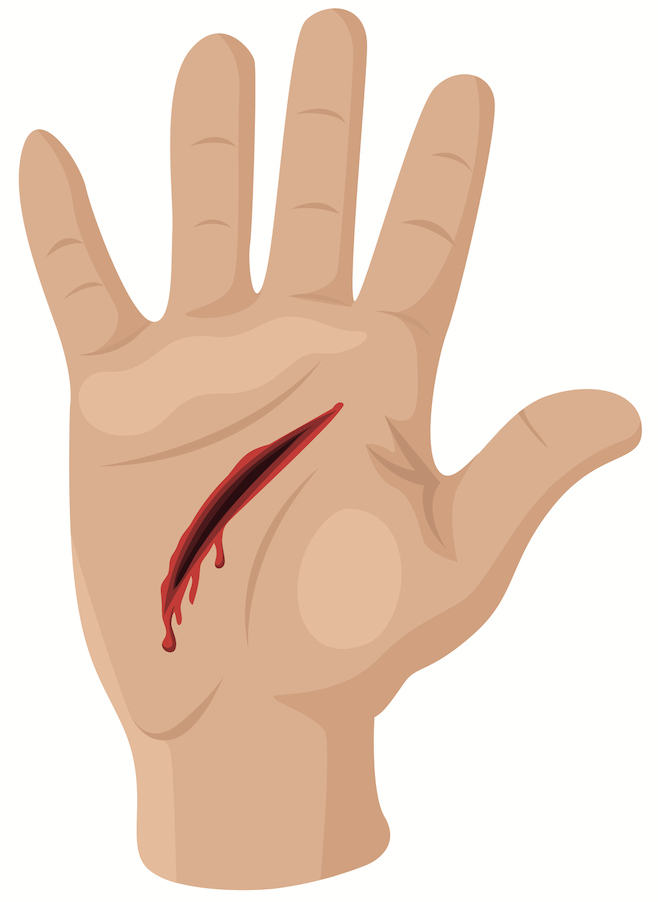
Hand wounds require appropriate assessment to determine whether simple first aid suffices or whether specialised treatment is necessary. If you've sustained a significant hand wound, please seek prompt evaluation.