
Hand exercises
Why hand exercises are important
Following hand injuries - whether minor sprains, finger tip fractures, nail bed injuries or volar plate injuries - maintaining movement is crucial for optimal recovery. Your hand contains numerous small joints, tendons, and ligaments that can quickly become stiff if immobilised for too long.
Regular exercises help to:
Prevent joint stiffness and maintain flexibility
Reduce swelling by promoting fluid circulation
Maintain tendon gliding through their sheaths
Preserve muscle strength
Speed up your overall recovery
Minimise the risk of long-term functional limitations
Even when part of your hand requires protection (such as wearing a splint), keeping your uninjured fingers mobile is essential. Stiffness can develop surprisingly quickly - sometimes within just a few days of immobility.
When to exercise
Start gentle exercises as soon as I advise it's safe to do so - this varies depending on your specific injury. Some injuries benefit from immediate movement, while others require a period of protection first.
General guidelines:
Perform exercises several times throughout the day (typically 3 - 5 sessions)
Move slowly and smoothly - avoid jerky or forced movements
Exercise within comfortable limits - some mild discomfort is normal, but sharp pain suggests you're pushing too hard
If you're wearing a splint, only exercise the joints I've told you to move
Consistency is more important than intensity
Basic hand exercises
These four fundamental exercises work all the joints in your fingers through their full range of motion. I'll specify which exercises are appropriate for your injury and when to begin them.
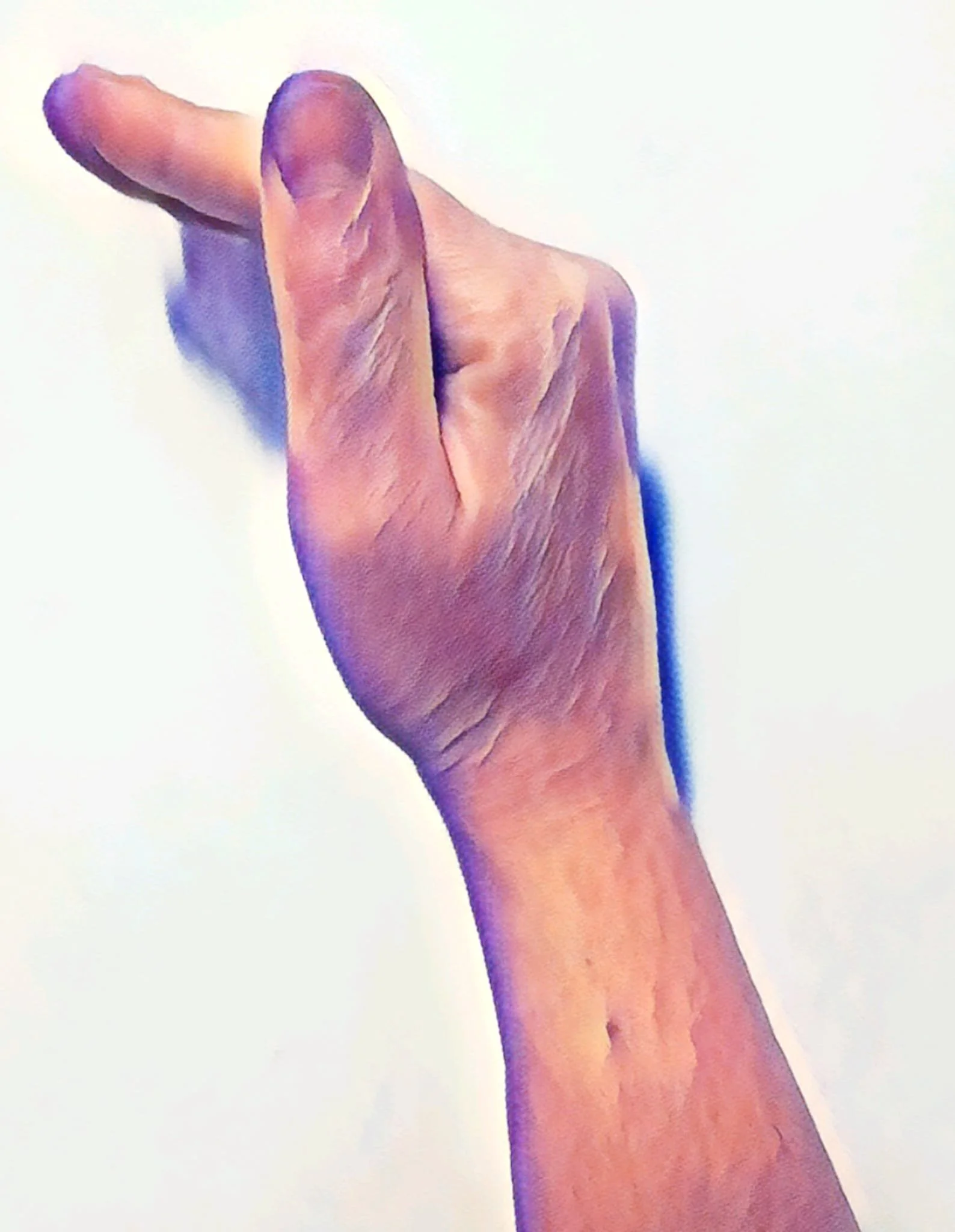
Tabletop position
Keeping your finger joints straight, bend only at the knuckles (metacarpophalangeal joints) as if placing your finger tips on a table surface. Your fingers should form a right angle at the knuckles while remaining completely straight from knuckle to finger tip.
Hold for 3 - 5 seconds, then relax. Repeat 10 times.
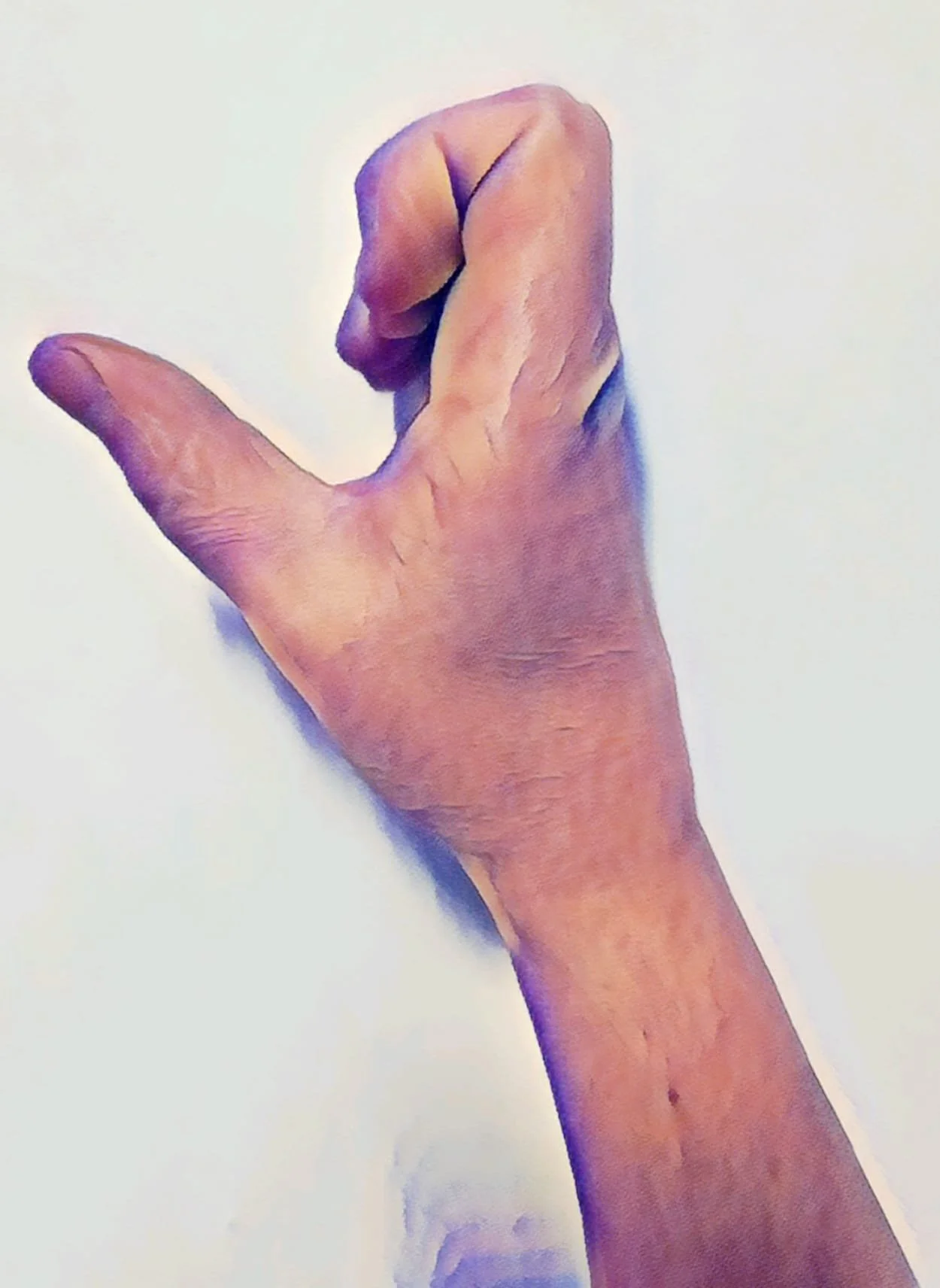
Hook fist
Keeping your knuckles straight, bend your middle and end joints to create a hook position with your fingers. Your finger tips should curl toward your palm while your knuckles remain extended.
Hold for 3 - 5 seconds, then relax. Repeat 10 times.
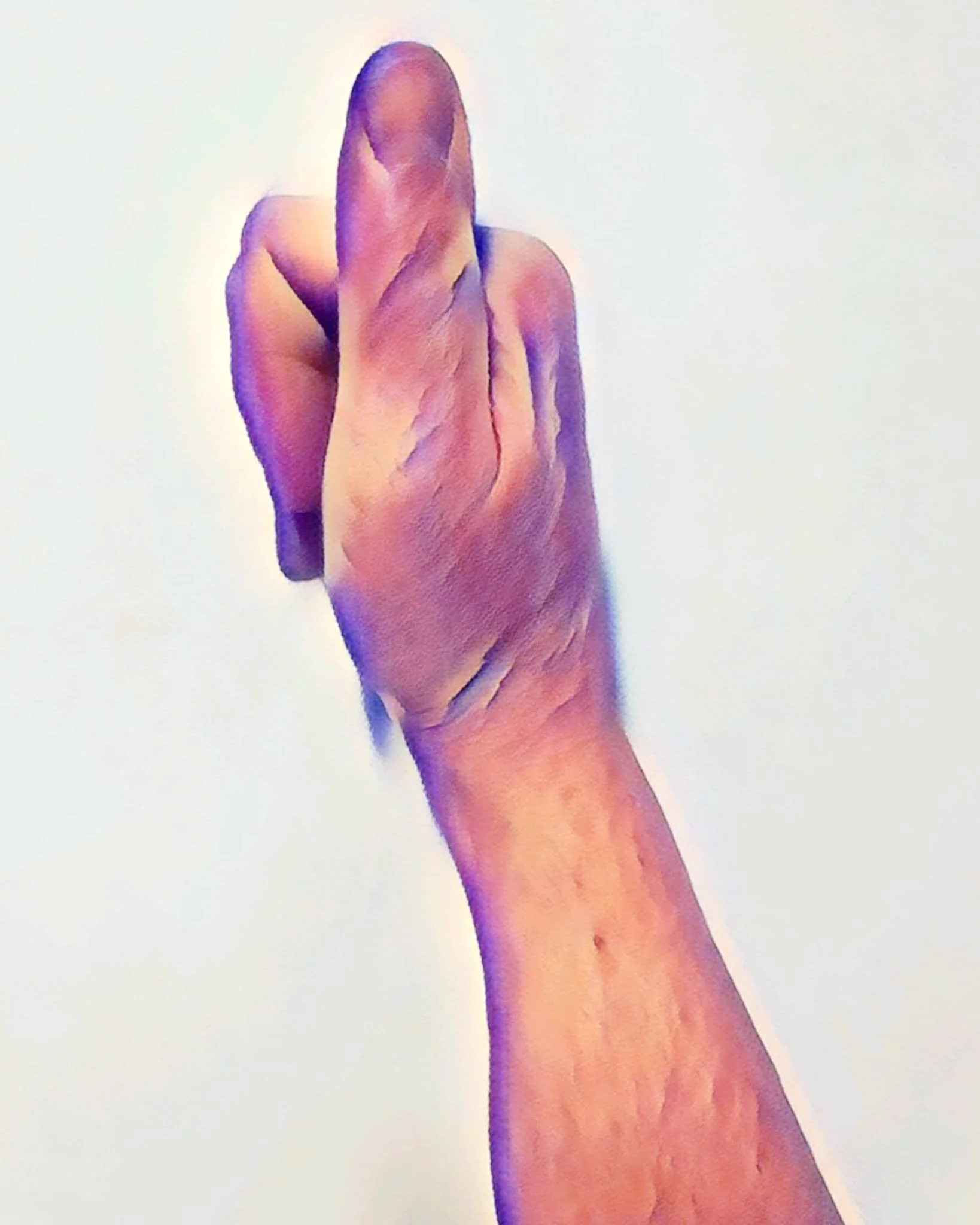
Straight fist
Keep your finger tip joints straight while bending at both your knuckles and middle joints. This creates a fist with straight finger tips.
Hold for 3 - 5 seconds, then relax. Repeat 10 times.
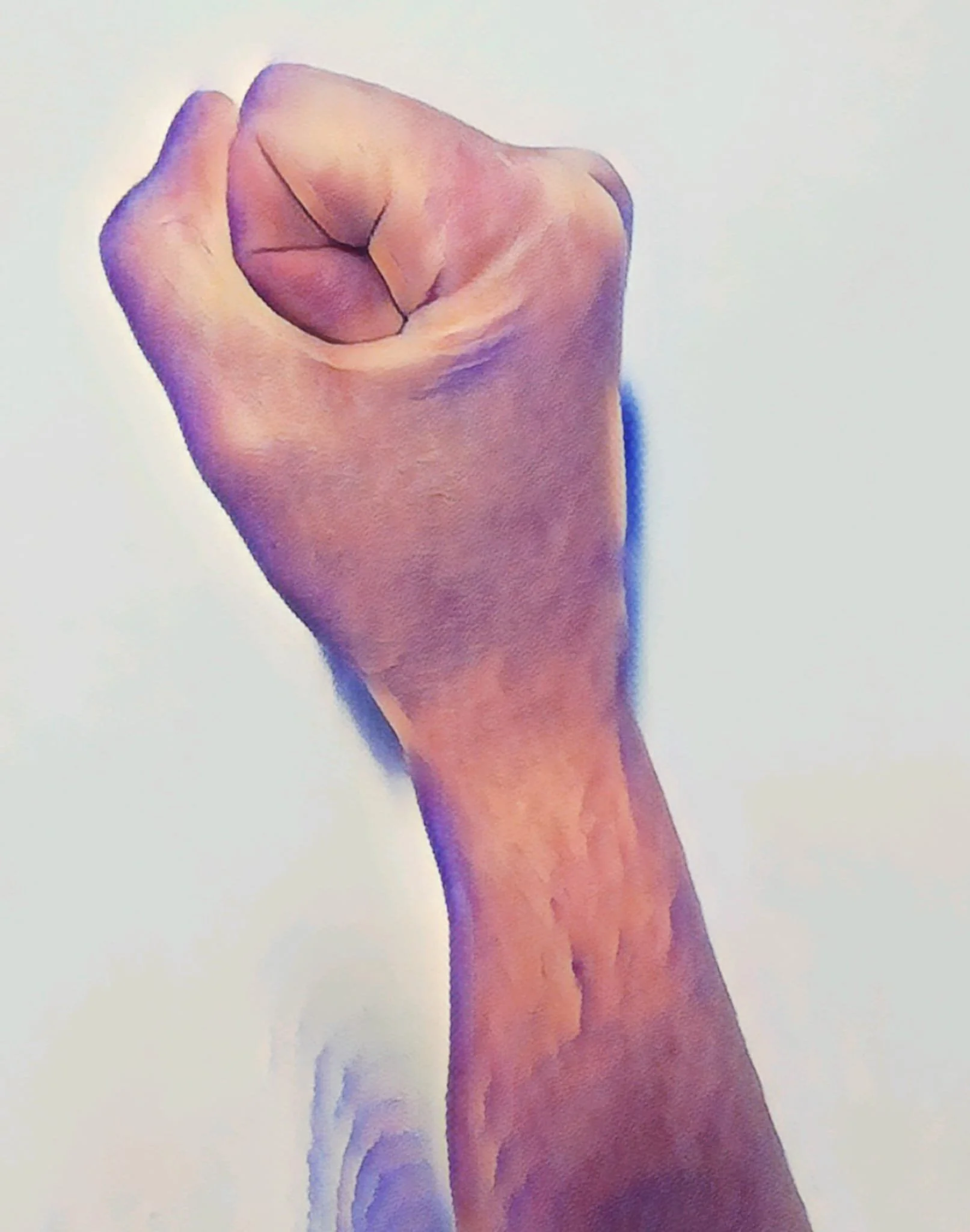
Full fist
Make a complete fist, curling all finger joints fully. Your finger tips should touch or come close to your palm. If you cannot make a complete fist initially, go as far as comfortable - your range will improve with practice.
Hold for 3 - 5 seconds, then relax. Repeat 10 times.
Additional tips
Warm your hands before exercising (warm water can help reduce stiffness)
Exercise more frequently if your hand feels particularly stiff
Don't force movements - gradual improvement is normal
Contact the practice if you experience increasing pain, swelling, or if your range of motion is getting worse rather than better
If your injury requires more specialised rehabilitation, I'll arrange for you to see a hand therapist who will design a specific program tailored to your needs.